July 16, 2026
Telematics for Refrigerated Fleets: Visibility, Control, and Performance
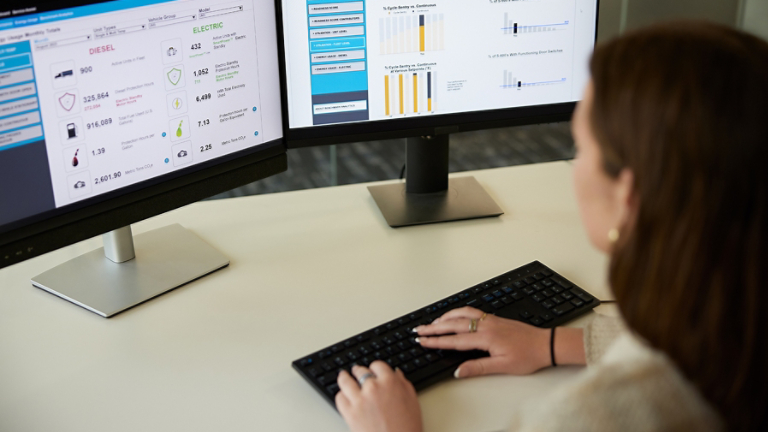
Telematics is changing refrigerated fleet management. It helps refrigerated fleets do more than track location. It gives drivers, dispatchers, and fleet owners a better view of temperature, reefer status, alarms, fuel usage, and trailer activity so they can identify issues earlier and respond before they affect the load.
For many fleets, the most important questions are simple: “Is my transportation refrigeration unit okay?” and “Is my load currently protected?” Telematics helps answer both, explains Joe Murphy, Thermo King Digital Delivery Leader.
That matters in refrigerated transport, when dependable temperature control is critical. Better visibility can help protect cargo, reduce downtime, support compliance, improve operational efficiency, and keep deliveries moving. Thermo King’s Connected Solutions show how connected tools can help fleets stay informed on the road.
Table of Contents
- What Is Telematics?
- Why Telematics Matters for Refrigerated Fleets
- Key Benefits of Refrigerated Fleet Telematics
- Key Components of a Refrigerated Fleet Telematics System
- Common Use Cases: Where does telematics help refrigerated fleets the most?
- What to Ask Before Choosing a Telematics System
- Explore Thermo King Connected Solutions
- Highlights
What Is Telematics?
Telematics is a system that remotely monitors and controls refrigerated trailer and truck units. A telematics system can show where the asset is, what temperature the load is holding, whether alarms are active, and how the unit is performing. Some systems also support two-way commands for functions such as set point and operating mode.
In practical terms, telematics creates a communication link between the refrigerated asset and the fleet. It sends data from the unit to fleet teams and, in some systems, allows commands to be sent back. That means fleets can understand what is happening during the trip, rather than waiting until the unit returns to the yard.
This is especially important for refrigerated fleets because location alone is not enough. Fleet managers and drivers need to know whether the reefer is working correctly and whether the load is staying within range.
How Telematics Works
A telematics system typically begins with a device installed on the trailer or refrigeration unit. In many cases, that technology is already built into the unit and only needs to be enabled. Subscription level may affect available data, controls, dashboard access, and connectivity.
The device gathers information from the refrigeration system and connected inputs, including temperature, alarms, operating mode, fuel usage, and unit status. It then sends that data through a communications network to an online dashboard where fleet teams can review conditions and performance.
Murphy describes telematics as “a cellular gateway... like a cell phone that sends and receives data.”
In some systems, telematics is also two-way, allowing fleets to “send two-way commands to remotely operate and control their units,” Murphy explains. That means some adjustments can be made without sending someone out to the trailer.
Who uses telematics systems?
Telematics supports multiple teams across a refrigerated fleet. Dispatchers may use it to monitor active loads and respond to alarms. Drivers benefit when issues are identified quickly and communicated clearly.
Maintenance teams can use connected data to prepare for service and troubleshoot faster. Fleet managers may rely on reporting to track performance, document trips, and review operating trends across the fleet.
Telematics vs. basic trailer GPS tracking
Basic GPS or trailer tracking shows where a trailer is, but it doesn't show whether the load is protected. In refrigerated transport, cargo protection is critical.
A trailer may be in the right place and still have a temperature issue, an active alarm, or an incorrect setting that puts the cargo at risk.
Refrigerated fleet telematics goes further by providing temperature history, unit alarms, door activity, fuel usage, and reefer performance. This gives fleets a better chance to catch issues before they become claims, delays, or missed deliveries.
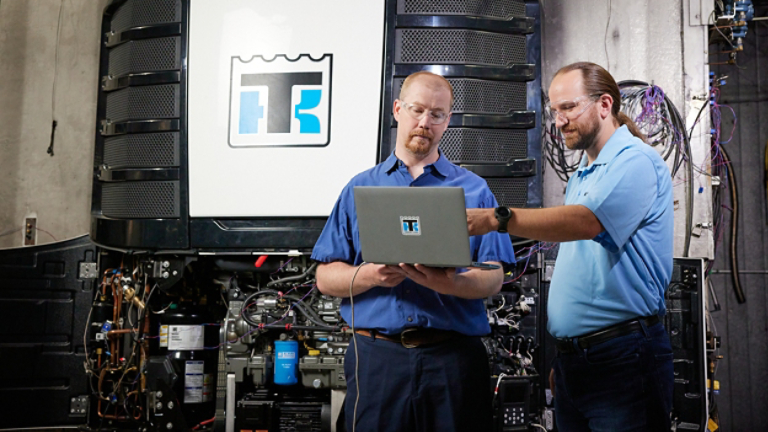
Telematics can also bring multiple asset views together in one place. As Murphy explains, TracKing® Telematics “gives insight directly into the reefer and down into the reefer controller.”
Why Telematics Matters for Refrigerated Fleets
Protect temperature-sensitive cargo
Food, pharmaceutical shipments, and other refrigerated loads can quickly lose value if temperatures move outside the required range. Even a short disruption can lead to spoilage, rejected products, or customer complaints.
Telematics helps fleets monitor temperature conditions in near real time and respond faster to alarms. It can also reveal common causes of temperature issues, such as doors left open, incorrect set points, or a unit turned off by mistake. As Murphy notes, “In many cases, this can turn a load loss situation into a load saved situation.”
This visibility is especially valuable when cargo requires precise temperature control. Fleets need confidence that units are performing as expected and timely alerts when conditions change.
In highly sensitive applications such as pharmaceutical transport, fleets may also need more frequent monitoring, stronger traceability, and extra sensors across the trailer. Thermo King’s TracKing® Telematics is designed to help fleets track temperature, reefer performance, and trip visibility throughout the journey.
Improve uptime and reduce unexpected breakdowns
Unexpected issues can interrupt routes, delay deliveries, and lead to expensive roadside service calls. For fleets, that means higher costs and more disruption. For drivers, it often means additional stress and unplanned delays.
Some telematics systems provide predictive alerts that help fleets identify developing issues before a failure occurs. This gives maintenance and operations teams more time to schedule service, reduce disruption, and lower the risk of a roadside event.
Connected visibility also supports a more proactive approach to uptime. Over time, telematics data can help service teams identify patterns, plan repairs earlier, and address related issues before a truck arrives for service.
Help fleets respond faster to problems
In refrigerated transport, small problems can escalate quickly. A reefer alarm, rising temperature, or unexpected unit problem may threaten the load if no one sees it in time.
Telematics systems help fleets identify those issues sooner so they can act more quickly. Murphy notes that “Certain events like door open events and alarms trigger an immediate notification,” making it possible to respond faster than a manual check-in would allow.
Real-time visibility can also include frequent data updates instead of long waits between uploads. This helps fleets respond to critical alerts, temperature issues, unit-down events, and geofence notifications while the load is still moving.
To be useful, alerts must also be manageable. Many fleets benefit from setting clear priorities, so critical events stand out from lower-urgency notifications. That can help teams focus on the exceptions that may affect the load, service continuity, or customer commitments.
Support compliance and shipment records
Telematics also makes shipment records easier to capture and review. Depending on the system, fleets can record trip details such as set point, air temperature, location, alarms, and temperature changes during the trip.
Those records matter more than support compliance. They can also help fleets answer customer questions after delivery, investigate temperature excursions, and show when and where a problem happens.
Standardized reporting can make compliance easier by reducing reliance on manual spreadsheets or paper logs, which may increase the risk of errors. For temperature-sensitive shipments, accessible trip records can also support customer documentation and internal quality processes. When questions come up after delivery, fleets may need a clear view of temperature history, alarm activity, and shipment timing.
For Coastal Pacific Xpress (CPx), TracKing® Telematics helped provide real-time temperature monitoring, trailer location, door activity, and reefer performance history, giving the fleet stronger cold chain visibility and traceability.
Enable faster exception management
When there is a problem, fleets need to know what happened and what to do next. That is where alerts, alarm visibility, and direct access to reefer data become especially useful.
In this context, an exception event may include a temperature excursion, unexpected door event, unit shutdown, missed set point, or geofence alert. Telematics helps fleets identify the event quickly and review the details needed to decide on the next step, whether that means contacting the driver, dispatching service, or documenting what happened.
Key Benefits of Refrigerated Fleet Telematics
The components of a telematics system work together to deliver practical benefits for refrigerated fleets.
Real-time fleet visibility
Fleet owners and dispatchers can see what is happening across the operation without relying on check calls or manual updates.
Temperature monitoring and cargo protection
When fleets can see temperature, reefer status, and potential issues sooner, they have a better chance of protecting the load before a minor problem becomes a major loss.
Faster issue detection and response
Alerts help drivers and fleet teams respond quickly instead of discovering a problem later.
Reduced downtime
Better visibility helps fleets identify issues sooner, avoid some emergency calls, and keep more equipment in service. As Murphy says, “Telematics improves uptime by providing advanced and clear notifications of alarm status.”
Better preventive maintenance planning
Connected data helps fleets plan service more proactively instead of waiting for a breakdown. Murphy notes, “We also have predictive alerts that allow for even more uptime by allowing you to schedule multiple weeks out, replacement of key components that are at risk of failing.”
Lower operating costs
Fleet costs can rise quickly when a reefer breaks down, a load is lost, or an emergency repair interrupts the route. Telematics may help reduce some of these costs by improving visibility, supporting faster response, and helping teams time preventive maintenance more effectively.
Operating-cost savings may also come from spotting doors left open, catching fans running at stops, confirming set points match the product being hauled, improving fuel efficiency, and supporting anti-idle efforts.
Broader ROI discussions may also include downtime reduction, theft visibility, yard checks, and less waste across the fleet. Deeper AI-driven telematics insights may help fleets improve profitability and make better operating decisions.
Improved service performance and customer confidence
Customers want more than on-time delivery. They also want confidence that refrigerated loads were handled properly from pickup through delivery.
Telematics helps support that confidence by giving fleets clearer records, better visibility, and faster answers when questions arise. Trip logs and temperature records provide facts instead of assumptions. As Murphy says, “Telematics logs all trips.”
Key Components of a Refrigerated Fleet Telematics System
Understanding the main parts of a telematics system helps explain how it supports visibility, cargo protection, and operational efficiency.
Telematics control unit (TCU)
The telematics control unit, or TCU, is a core part of the system. It links equipment data to the software platform used by fleet teams, collecting information from the reefer unit and sending it back to the fleet.
When evaluating providers, it is helpful to review how the TCU supports connectivity, data capture, and fleet integration.
A device on the unit or trailer
Every telematics system begins with a device installed on the trailer or refrigeration unit that collects and sends information from the equipment to the fleet.
Sensors, alarms, and temperature data
A telematics system becomes valuable when it gathers the data fleets actually need. That can include temperature readings, set point information, active alarms such as door-open events, reefer operating status, and whether the unit is heating, cooling, or off.
With the right sensors and service tier, fleets may also benefit from broader monitoring that provides a clearer picture of both asset location and refrigeration performance.
Fleet management software
A telematics platform is where fleets turn equipment data into useful information.
Connectivity that keeps fleets informed
A telematics system needs a reliable way to send information from the trailer to the fleet. Without that connectivity, teams may not see a problem until it becomes harder to fix.
Good connectivity helps drivers, dispatchers, and service teams stay informed while the load is moving. Frequent updates can make that visibility feel closer to real time, which is especially important when response time matters.
Alerts, dashboards, and reporting tools for fleet teams
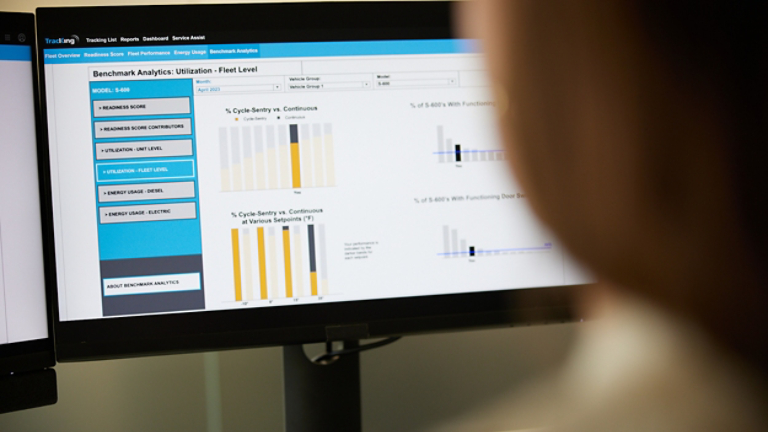
Once information is collected, it needs to be easy to review and act on. A strong dashboard should help drivers, dispatchers, and fleet managers check temperatures, review alarms, track trailer status, and identify the next required action. Ease of use matters because fleets need actionable information, not just raw data.
Common Use Cases: Where does telematics help refrigerated fleets the most?
Long-haul trailer fleets
Long-haul refrigerated routes make it harder to spot issues early because trailers may be far from dispatch, the fleet yard, service teams, or backup equipment.
Telematics helps fleets monitor reefer status and cargo conditions over long distances, making it easier to spot a problem early and act quickly. As Murphy says, “Turning the unit on that was accidentally turned off and saving the load... is a real thing that we’ve had happen a few times.”
Telematics helped Dot Transportation, Inc. (DTI) improve visibility across refrigerated fleet operations and helped reduce fuel and operating costs.
Urban delivery fleets
Urban refrigerated delivery often includes frequent stops, repeated door openings, traffic delays, and tight delivery windows. These conditions can make it harder to maintain stable temperatures and stay on schedule.
Telematics can help fleets spot common route issues, such as doors left open too long or units running inefficiently during stop-and-go service. That visibility can help teams respond faster and protect both temperature performance and efficiency.
In local and regional routes, refrigerated fleets may place even greater value on location visibility because of frequent stops and tighter schedules.
Food and beverage transport
Food and beverage fleets rely on steady temperature control, accurate records, and dependable equipment. When something goes wrong, product quality and delivery acceptance can quickly suffer.
For the family farming business of Bottomley Enterprises, clear reports and reliable temperature records support compliance and demonstrate that their produce and holiday greenery stayed at the right temperature during transport.
Pharmaceutical and life sciences shipments
Pharmaceutical shipments often require tighter temperature control, stronger documentation, and more reliable traceability than many other refrigerated loads. In many operations, they also require:
- stronger proof that conditions remained within range throughout the trip;
- extra trailer sensors;
- defined monitoring points;
- and one central place to collect data.
Mixed fleets and multi-asset operations
Some fleets manage a mix of trucks, trailers, and refrigeration equipment across different routes and duty cycles, which can make it harder to keep reporting and visibility consistent.
A telematics platform can help bring those moving parts together in one place. For mixed operations, it can help to view reefer and APU data on one screen and connect with other fleet systems used across the business.
What to Ask Before Choosing a Telematics System
Start with the problems you are trying to solve. Do you want better temperature visibility, fewer roadside calls, faster alarm response, stronger customer proof, or several of these at once?
Then look for a system that addresses those real-world needs rather than simply offering a long feature list. It is also worth asking how alerts can be customized, how the system supports daily efficiency, and how easy the platform is to use.
It is also reasonable to ask how the provider demonstrates return on investment and whether it has enough operating data and experience to show where the solution can save money.
What does implementation look like?
Implementation may vary by fleet and equipment type, but a few questions usually matter early:
- Is the hardware already in place?
- Which assets need activation?
- What training is required?
- How will different teams use the system day to day?
A strong rollout depends not only on the technology, but also on clear workflows and defined responsibilities.
Will it work across your fleet?
A telematics solution should continue to work as your fleet grows or changes. It should support a small number of refrigerated assets or hundreds of trailers across different operating conditions.
That means considering how well the system handles different fleet sizes, reporting needs, and daily workflows. It is also useful to ask how easily telematics data connects with the other systems a fleet already uses. Bringing operational information together can make telematics more useful across dispatch, service, and reporting workflows.
For many fleets, a key question is whether equipment and data can be brought into one place rather than split across separate systems.
How much support will you get?
Good telematics technology also depends on training and service. Fleets need help when reporting stops or when a unit shows an issue on the road.
For many fleets, support matters as much as the dashboard itself. Providers should be evaluated on onboarding, training, and how well the system works for different roles in daily use.
Explore Thermo King Connected Solutions
Connected fleet tools help refrigerated fleets make better decisions, protect cargo, limit downtime, and improve trip visibility.
Thermo King’s Connected Solutions provides an overview of its connected approach. For telematics-specific features, TracKing® Telematics highlights tools for monitoring, reporting, and fleet visibility.
For refrigerated fleets, telematics is about more than tracking. It helps drivers and fleet teams understand what is happening with the load, know when something needs attention, and in some cases respond before the trailer returns to the yard.
Conclusion
Telematics transforms refrigerated fleet management by delivering visibility, control, and actionable data. By using these systems, fleets can improve uptime, meet temperature requirements, build stronger customer trust, and make better decisions about fuel efficiency, reduced fuel costs, and preventive maintenance.
Want to know more about Thermo King telematics? Contact us today.
Highlights
Learn what telematics is and how a telematics system helps refrigerated fleets monitor temperature, improve uptime and efficiency, respond faster to issues, and support cold chain performance.