November 18, 2026
What Is Fleet Management? A Guide for Refrigerated Fleets

What Is Fleet Management?
Fleet management is the process of overseeing vehicles, drivers, maintenance, fuel, and daily operations. In refrigerated fleets, it also includes protecting temperature-sensitive cargo by monitoring reefer performance, route conditions, and cold chain records in real time.
That added responsibility makes refrigerated fleet management different from basic vehicle oversight. These fleets are not just moving freight. They are protecting food, medicine, and other high-value loads that can lose value quickly if temperatures drift or equipment fails.
According to Joe Murphy, Thermo King digital delivery leader, refrigerated fleets are focused on two essential questions: Is the load protected, and how can the operation run more efficiently?
What Fleet Management Includes
For refrigerated operations, fleet management brings together several connected functions:
- Vehicle and trailer tracking
- Reefer monitoring
- Maintenance planning
- Fuel and efficiency management
- Reporting and recordkeeping
- Driver and dispatch visibility
The goal is simple: give fleets the information they need to protect loads, reduce downtime, and make faster, better-informed decisions.
“Pretty much the story the whole time is either enable uptime or reduce downtime and limit load loss,” said Angela Poulson, senior digital product manager for TracKing® telematics solutions.
Why Fleet Management Matters for Refrigerated Fleets
Refrigerated fleets operate with little room for error. A missed alarm, delayed service, or temperature issue can lead to spoilage, claims, missed deliveries, and unnecessary cost.
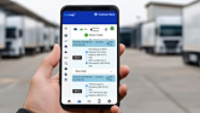
Fleet management helps teams see more than vehicle location alone. With connected tools and telematics, fleets can monitor temperatures, alarms, reefer status, route activity, and shipment history while the cargo is still in transit.
Poulson described telematics as “proactive monitoring.”
“We’re monitoring all these different pieces of the reefer to limit the chance of load loss,” she said.
Four Core Parts of Fleet Management
1. Visibility and Telematics
Telematics connects reefer and vehicle data to day-to-day operations. That includes location, temperature, alarms, run hours, and unit status. Instead of relying on manual checks, fleets can see what is happening in transit and respond sooner.
Every Thermo King unit has “a cellular gateway, which is just like a cell phone that sends and receives data,” Murphy explained.
2. Maintenance and Uptime
Maintenance planning is especially important in refrigerated fleets because both the vehicle and the refrigeration unit affect delivery performance. Connected alerts help fleets identify issues earlier, schedule service more effectively, and reduce unplanned downtime.
“It’s all back to understanding what’s going to go wrong so that we can catch it before it does,” Paulson said.
3. Reporting and Compliance
Reporting helps fleets document trip conditions, shipment history, and temperature performance. That supports customer requirements, internal oversight, and compliance recordkeeping without depending on manual logs.
“Telematics logs all trips, so a shipper would be able to provide that customer a log of the set point and return air temperature of that trailer for the duration of their journey,” said Murphy.
4. Fuel and Operating Efficiency
Fleet management also helps teams reduce waste, manage idling, and improve operating efficiency. In refrigerated fleets, that can mean optimizing reefer settings, responding faster to exceptions, and avoiding unnecessary service events.
“I think excessive idling is a big one," said Paulson. "Idling burns fuel, burns money, draws anti-idle fines.”
How Fleet Management Improves Performance
When refrigerated fleets have stronger visibility and better data, they can:
- Catch reefer issues earlier
- Reduce downtime
- Protect cargo more consistently
- Simplify reporting
- Improve maintenance planning
- Lower operating costs
Fleet management helps dispatchers, drivers, service teams, and fleet owners act on real conditions instead of reacting after a problem has already affected the load.
Earlier alarms and live notifications “can turn a load loss situation into a load saved situation,” said Murphy.
Why Fleet Management Matters Now
Today’s refrigerated fleets are balancing uptime, customer expectations, cost control, and tighter operational demands. Having “everything in one place” matters for fleets that want centralized, usable visibility, said Paulson.
Owners want one place to see what is happening across their assets. Drivers need faster awareness of reefer conditions. Dispatchers and service teams need clear alerts and usable data.
Strong fleet management brings those needs together so teams can operate more confidently and efficiently.
Ready to learn more about Thermo King fleet management solutions? Contact us today.
Expert review by:
Joe Murphy, Digital Delivery Leader
Angela Poulson, Sr. Digital Product Manager