
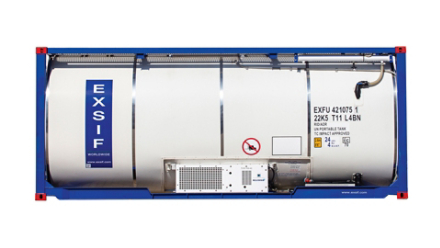
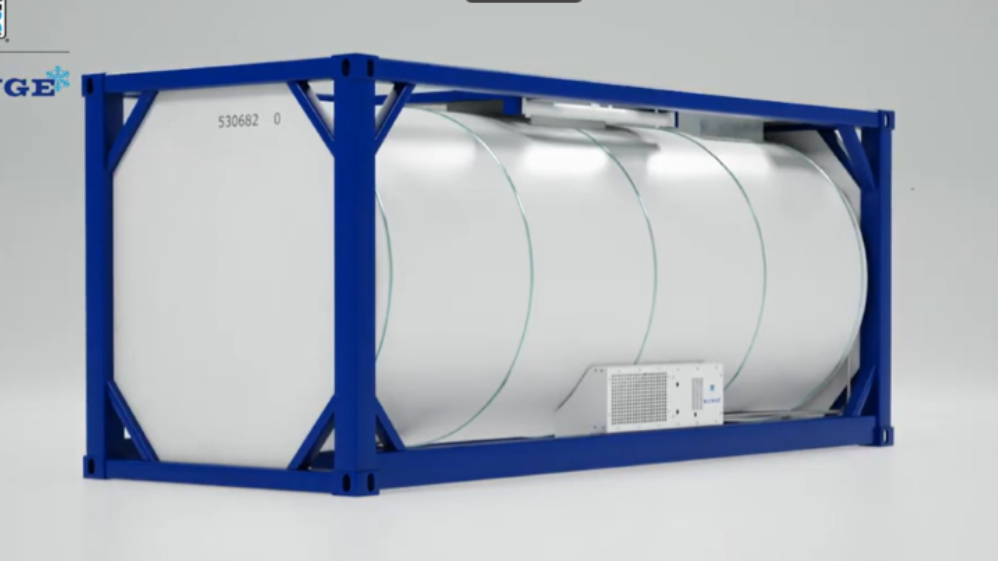
Tank refrigeration cools a tank’s liquid cargo using an external refrigeration unit that circulates a heat‑transfer fluid to either remove or add heat, thereby maintaining precise temperature control.
Engineered for Reliability
From compact cooling systems to precise heating units—and dual-purpose designs that do both—our equipment is engineered to safeguard your cargo in the most demanding environments.
Choose Your Solution
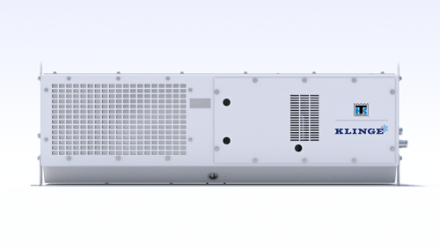
TCR-109 Refrigeration Unit for Tank Containers
This proven product has been trusted by industries to transport chemicals, pharmaceuticals and beverages for over 40 years. The mechanical section fits on the side of the container, and the electrical control box is mounted at the end of the container for easy access when tanks are stacked.
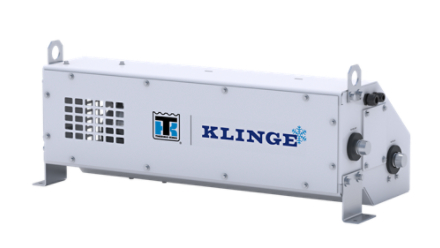
TCR-110 Refrigeration Unit for Tank Containers
The side-mounted unit fits between the reefer tank and bottom frame rail. Delivers approximately 7kW of cooling power at 0° cargo (30°C ambient) and is also available as a dual-redundant system. The explosion-proof version meets ATEX Directive requirements.
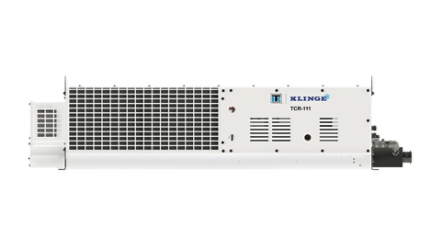
TCR-111 Refrigeration Unit for Tank Containers
When sustainability is a priority, TCR-111 is an ideal choice. It uses low-GWP refrigerant and fits 25,000-liter tanks, helping to reduce logistics costs.
Provides precise electric temperature regulation, even in extremely cold environments. The advanced, space-saving control box is end-mounted for easy technician access on stacked containers.

Full Range of Product Options
Shipping lithium electrolytes for semiconductors differs greatly from shipping beer and other beverages. Klinge solutions offer specialized products for specific needs.

Global Service Network
Klinge service technicians have skills that go beyond basic technical know-how. Tap into their expertise around the world.
FAQs
Frequently Asked Questions about Refrigerated Tank Containers
Klinge cooling systems work by circulating glycol solutions or heat transfer fluid around external cooling coils in the tank. Cooling capacities range between 4.9kW and 10kW and optional 12kW heater modules are available. In addition, dual redundant and explosion-proof (ATEX) options are also available.
Selecting a refrigeration solution for your tanks is an important decision. Here’s what makes Klinge solutions best in class:
Temperature stability for a range of cargo
Reliability that keeps shipments moving in extreme conditions
Space-saving design that makes more space for product in each shipment
Global service network
Risk reduction that helps you limit product loss, regulatory noncompliance and supply chain interruptions
The unit mounts externally and circulates a cooling medium through coils or jackets around the tank, allowing temperature control without direct contact with the cargo.
Tank refrigeration systems use several types of cooling mediums, each chosen for performance, quality and compatibility with the cargo:
- Glycol‑water mixtures —The most common solution in the industry and used when freeze protection is needed. Glycol lowers the freezing point and keeps the cooling loop stable in cold environments.
- Refrigerants (in closed loops) — Used inside the refrigeration unit itself. They provide strong cooling capacity and precise temperature control.