
The TCR-111 is designed for ISO tank containers transporting temperature-sensitive chemicals and other products that require reliable cooling performance and precise temperature management. Applications include transporting lithium electrolytes for batteries, chemicals for semiconductors and other hazardous and flammable fluids. Klinge maintains compliance with International Customs Regulations for Containers, relevant ISO recommendations and the rules of B.V., ABS, and Lloyds.
TCR-111 Refrigeration Unit for Tank Containers
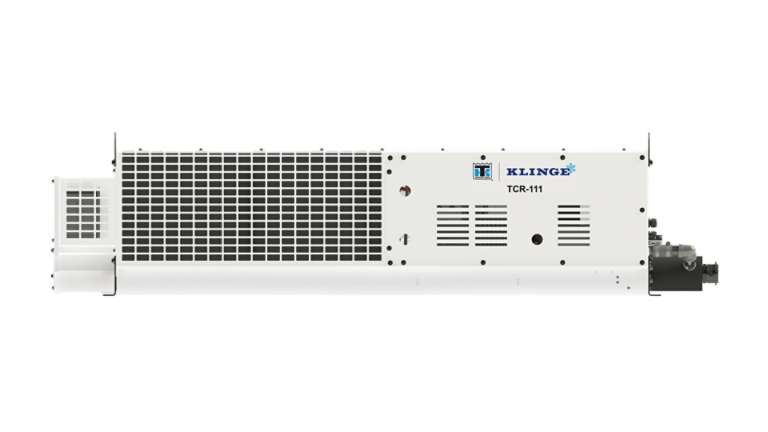
Advanced temperature control focused on sustainability
Meet sustainability goals with Thermo King. TCR-111 combines efficient temperature control, lower-impact refrigerant, and long-term durability.
- 10 kW cooling capacity at 10°C to 60°C (-14°F to 140°F)
- Low-GWP R-513A refrigerant (R-134a may be used in emergency cases)
- Redundant options available
- End-mounted control box
Low unit weight and profile optimize cargo loading capability in tanks up to 25,000 liters
Low-GWP Refrigerant
The TCR-111 uses low-global-warming-potential R-513A refrigerant, helping reduce environmental impact while maintaining reliable cooling performance. The system is also designed with future flexibility, supporting the transition to even lower GWP refrigerant options as environmental requirements continue to evolve.
Durable, Long-Lasting Construction
Built to help extended equipment life under demanding global transport environments, the TCR-111 is designed for advanced sustainability. By reducing maintenance requirements and extending equipment longevity, it helps limit waste and overall lifecycle impact.
Intelligent, Accessible Control
The end-mounted control box provides fast, convenient access to major electronic components for unit diagnostics and maintenance. Technician speed is critical to limiting refrigeration downtime that can result in product spoilage, and unnecessary waste that may require specialized disposal.
Optional 12 kW Heater Module
The TCR-111 can be fitted with an optional 12 kW heater, allowing high-power heating when needed in colder environments or for products required to be transported at higher temperatures up to 60°C.
Benefits
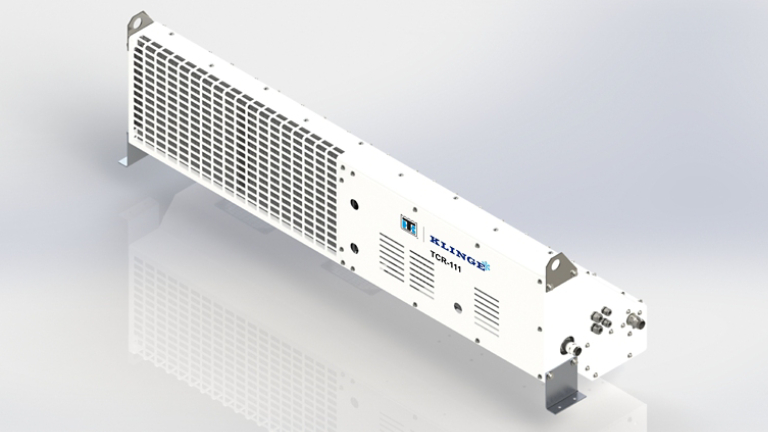
Reliable Temperature Management Helps Reduce Waste
The TCR-111 is built to Klinge’s high standards for reliability. Optional redundancy provides an extra precautionary measure. Protecting temperature-sensitive cargo throughout transport and storage helps limit product degradation that may lead to excessive waste.
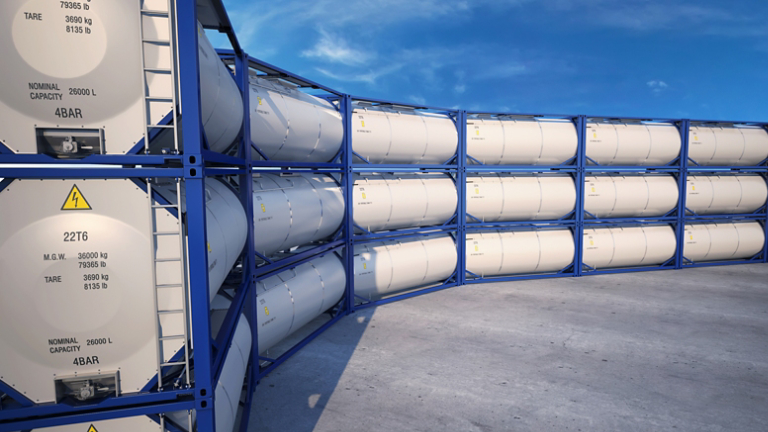
Improve Cargo Capacity and Operational Efficiency
A lightweight design, accessible controls and intelligent power management can help operators optimize tank capacity, simplify maintenance, and improve uptime while transporting valuable temperature-sensitive products.
Unit Specs
Feature | Specification |
Cargo and cooling liquid temperature range | -10°C (14°F) to 60°C (140°F) |
Ambient temperature range | -30°C (-22°F) to 50°C (122°F) |
Safe component storage | 70°C (158°F) |
Unit Weight | 244 kg (538 lbs.) |
Control Box Weight | 24.1 kg (53 lbs.) |
Request Service
Need Service or Repair Work?
Please complete the service request form to begin your service or repair process.
FAQs
Frequently Asked Questions about TCR-111 Refrigeration Unit for Tank Containers
Maintaining precise cargo temperatures helps protect product quality throughout the supply chain, reducing the risk of spoilage, product loss and unnecessary waste. By preventing temperature deviations, refrigeration systems help support that more of each shipment reaches its intended destination in usable condition. This reduces the environmental impact associated with producing, transporting and disposing of wasted products. Reliable temperature control supports more sustainable operations by optimizing resource efficiency and limiting avoidable waste.
The approach to helping shippers reduce environmental impact goes beyond the use of low global warming potential refrigerants. Support for customers in achieving their sustainability goals is provided from multiple angles.