
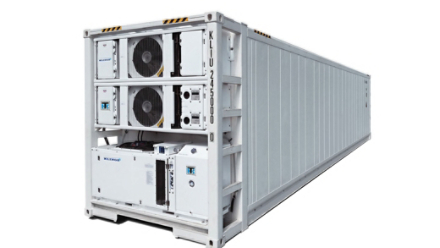
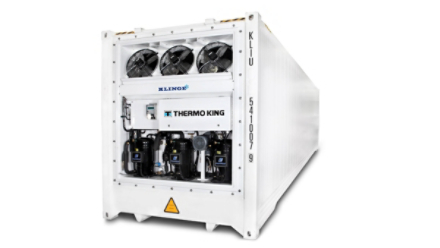
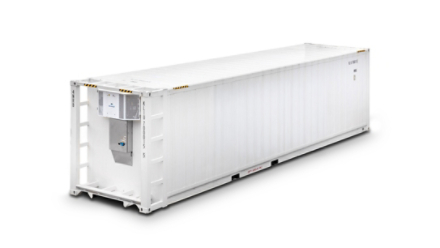
Shipping containers keep food cool using built‑in refrigeration units — “reefers” — that actively remove heat from the cargo space and maintain a precise set temperature. The system constantly circulates chilled air, so every pallet stays uniformly cold, not just the areas near the vents. Thick insulated walls prevent outside heat from creeping in, which lets the temperature hold steady even in extreme climates. Together, the system, airflow design, and insulation create a controlled environment that protects food quality throughout transport and storage.
Choose Your Solution
Ultra-Low Temperature Freezer Container
Maintain uninterrupted cold chain protection for seafood processing plants, meat and poultry facilities, and prepared food production — including probiotics, cultures and enzymes. Klinge containers support high-value products with ultra-low temperature control and full system redundancy and smart backup.
CBU-30 Blast Freezer Container
Rapidly freeze pharmaceuticals, phase change materials (PCMs) seafood, meat, and other food products with a blast freezer container that installs in hours and expands production capacity when you need it most.
Intelligent thawing can thaw up to 22,000 lbs. (10,000 kg) of beef, pork, poultry and other meat products in 36-48 hours while preserving yield, texture and quality. Built with automated operation that goes from thawing to storage without manual intervention.
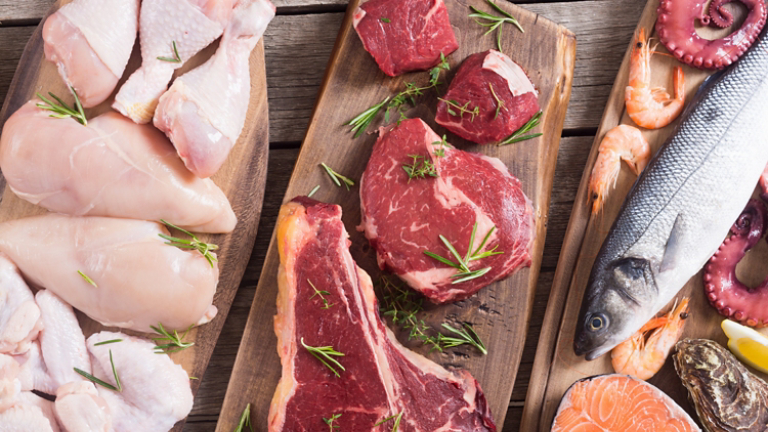
Improve Cold Chain Food Quality from Shipping to Storage
Our engineered systems are used across seafood, meat, poultry, dairy, and prepared food industries to meet food quality requirements and protect product integrity.
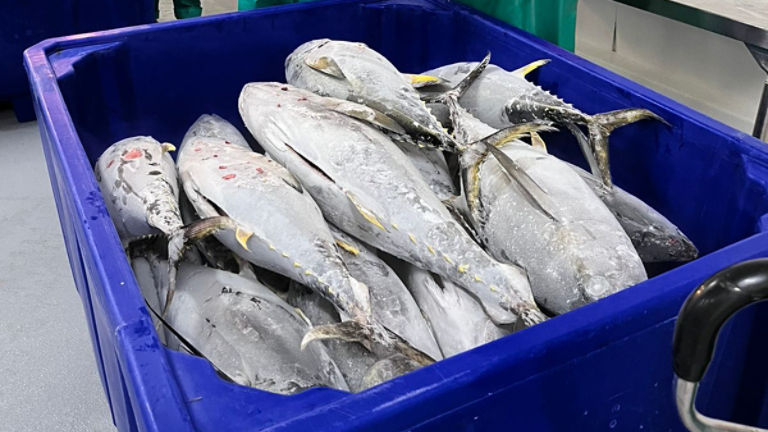
Reduce Processing Costs with Controlled Thawing Containers
Replace or supplement costly production lines with self‑contained, plug‑and‑play units. Klinge food-safe containers provide controlled thawing without heat tunnels or conveyor systems.
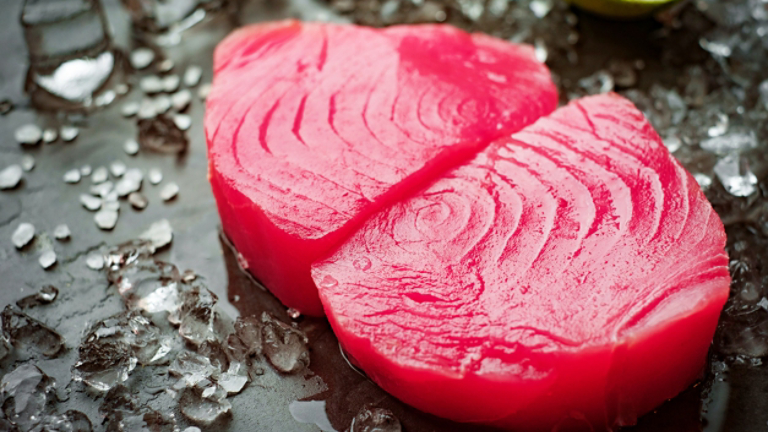
Expand Production Capacity with Temperature Controlled Containers
Respond quickly to seasonal production surges. Klinge containers arrive ready to be put into service — simply plug them into a nearby power source.
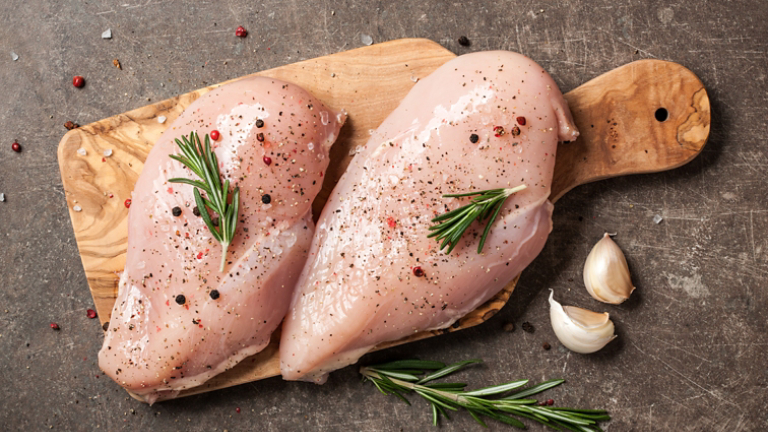
Use Shipping Containers for Meat Processing to Increase Sellable Yield
Klinge containers tightly control temperatures to thaw products uniformly, preventing cellular damage and reducing drip loss.
FAQs
Frequently Asked Questions about Temperature Controlled Food Shipping Containers
To prevent spoilage, perishable products like meat and seafood must stay at precisely controlled temperatures from the moment they leave the plant until they reach their destination. Standard shipping containers can’t regulate temperature, airflow, or humidity. Refrigerated containers—reefers—solve this by using built‑in cooling systems, insulated walls, and constant air circulation to keep the entire load uniformly cold. This protects food quality, prevents bacterial growth, maintains texture and freshness, and supports the product arriving in the same condition it left the facility.
A blast freezer container is designed to freeze products quickly. It uses high‑velocity, very cold air to pull heat out of food quickly and lock in texture, color, and quality. Ultra‑low‑temperature (ULT) transport is about keeping already‑frozen product extremely cold during shipment or storage. These containers hold temperatures far below standard freezer levels (often -60°C to -70°C) for shipping pharmaceuticals, biological materials or specialty seafood. Short answer: They solve different problems. One freezes product efficiently in a stationary application while the other maintains low temperatures during long-distance movement or storage.
When used instead of the line, food shipping containers handle thawing or tempering off‑line. Product goes in on pallets or combos, the container controls the entire cycle, and the finished product moves straight to processing. This limits the cost, complexity, and long timelines associated with installing in‑line thaw tunnels or conveyor systems.
When used alongside the line, thawing containers run additional batches in parallel. They feed the line with ready‑to‑process product, increase throughput, smooth out slow or inconsistent water/air tempering, and provide backup when the in‑line system can’t keep up.
Water baths and air-tempering rooms are slow, inconsistent, and often bottleneck production. Klinge’s controlled refrigeration and airflow systems maintain precise temperatures, reduce thawing time, allow larger batch sizes, and deliver predictable and repeatable results. The result is higher throughput (more product processes in less time) without sacrificing quality.