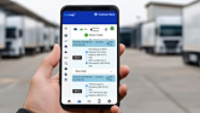
November 11, 2026
What Is a Telematics Control Unit (TCU)?

In refrigerated transportation, real-time visibility can make the difference between an on-time delivery and total load loss.
A minor temperature shift, an active alarm, or a silent compressor failure can spoil high-value perishables or pharmaceutical cargo long before a truck arrives at its destination.
While standard fleet tracking can confirm asset location, cold chain integrity requires continuous insight into what is happening inside the trailer. A telematics control unit provides a critical connection between the refrigeration equipment on the road and the operational teams managing it.
Table of Contents
- TCU Defined: What Is a Telematics Control Unit?
- What Does a Telematics Control Unit Do?
- TCU vs. Telematics Platform: Hardware Meets Software
- Why TCUs Matter in Refrigerated Fleets
- How a TCU Can Help Optimize Fleet Performance
- What to Consider When Choosing a TCU
- How Thermo King Enhances Cold Chain Visibility
TCU Defined: What Is a Telematics Control Unit?
A telematics control unit, or TCU, is the device installed on a vehicle or refrigeration asset that collects, transmits, and sometimes receives operational and location-related data. It gathers data from the refrigeration unit and connected sensors, sends that data through a communications network, and gives fleets visibility into temperature, alarms, location, and unit status.
A TCU does not replace the reefer unit. It helps the unit communicate useful data, turning equipment activity into insights that drivers, dispatchers, and fleet managers can act on.
“Every Thermo King unit has a cellular gateway, just like a cell phone, that sends and receives data,” explained Joe Murphy, Thermo King digital delivery leader. That data includes “whether the unit is on or off, whether it’s cooling or heating” and “any alarms from the units.”
What Does a Telematics Control Unit Do?
A telematics control unit collects data from refrigerated equipment and sends it over a cellular network to the telematics platform. That data can include:
- Temperature monitoring: Return air, supply air, and independent probe readings across single- or multi-temp zones
- Refrigeration status: Operating mode (cooling, heating, null), engine run hours, and fuel levels
- Setpoint integrity: Current setpoint parameters and configuration alignment
- Alarms and diagnostic codes: Instant notification of shutdown alarms, pre-alarms, or electrical faults
- Cargo environment events: Real-time door switch openings and duration tracking
- Asset location and movement: GPS tracking, speed, geofencing milestones, and breadcrumb trails
In simple terms, a telematic control unit helps fleets see both where the trailer is and how the refrigeration system is performing. Without that connection, a fleet operator may know an asset’s location but have far less visibility into whether the load is protected.
TCU vs. Telematics Platform: Hardware Meets Software
Although the terms are often used interchangeably, the TCU and the telematics platform perform two distinct, complementary functions:
- TCU (Hardware): A physical device mounted to the refrigeration equipment that logs sensor data and sends it over a cellular network.
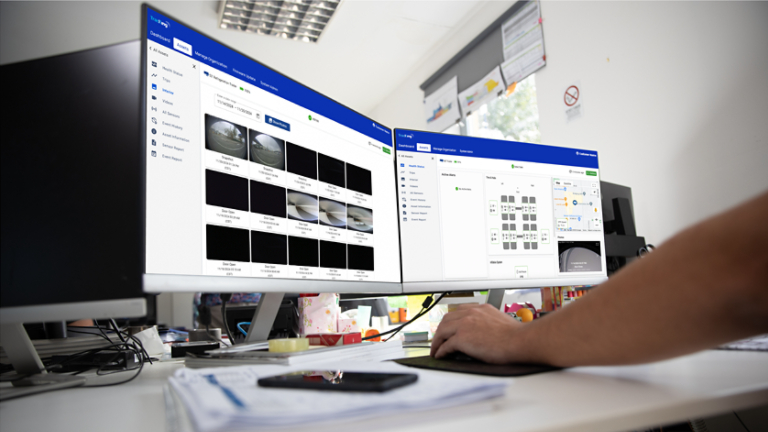
- Telematics Platform (Software): A cloud-based application that transforms data into live dashboards, automated alert workflows, and compliance reports.
Hardware without a usable platform limits insight, and software without dependable equipment data limits value. Refrigerated fleets need both.
“We give them real actionable insights,” said Angela Poulson, Thermo King senior digital product manager. “So we’re not just dumping a spreadsheet on a page out.”
Why TCUs Matter in Refrigerated Fleets
Refrigerated fleets operate with very little room for error. When cargo depends on steady temperature control, small issues can quickly turn into spoilage, claims, downtime, or service disruption.
A TCU gives fleets earlier visibility into what is happening with the refrigerated cargo. That means teams can spot alarms, temperature changes, and reefer issues sooner rather than after the load is already at risk.
Murphy summarized the core fleet concerns: “Is my load okay? Is my load currently protected? Are there any issues with the reefer that is going to lead to any risk of load loss? The second is, how can I operate more efficiently?”
An effective TCU answers these questions while the vehicle is still moving. The true value, said Poulson, moves beyond “just a readout of where the truck is” to “understanding that something’s about to break down.”
How a TCU Can Help Optimize Fleet Performance
Access to real-time data can transform how refrigerated fleet teams coordinate during an active trip:
- Dispatchers can intercept temperature excursions and door alerts immediately, coordinating corrective pull-downs or rerouting loads before cargo suffers.
- Drivers can receive real-time guidance when an alarm sounds, reducing roadside panic.
- Maintenance technicians can review diagnostic trouble codes remotely before a trailer arrives at the service bay, staging replacement parts in advance to optimize uptime.
Transmission speed is the key to effective intervention. “We query the data every minute,” said Poulson, ensuring teams can respond to live conditions rather than historical logs.
“We’re giving them the confidence to know that everything’s okay or there’s something they should be checking out,” she said.
What to Consider When Choosing a TCU
Not every connected fleet operates the same way, so telematics needs vary. When evaluating a TCU, fleets should focus on whether the system delivers practical, actionable visibility.
Fleets should look for:
- easy-to-use data
- faster response to issues
- clear visibility for fleet teams
- support for alerts, dashboards, and reporting
- reliable data collection from the refrigeration asset and connected sensors
- dependable service and support
“Getting alarms is probably the most important thing we do,” said Poulson, emphasizing that communicating problems the moment they occur is the baseline requirement for any fleet telematics solution.
How Thermo King Enhances Cold Chain Visibility
Thermo King units feature a factory-installed TCU, integrated directly into the microprocessor for native diagnostics and two-way control. Dispatchers can change setpoints and clear alarms remotely. Hardware, software, and on-the-road service are all backed by our nationwide dealer network.
Explore Thermo King ConnectedSuite to learn more about our fleet telematics solutions.
Expert review by:
Joe Murphy, Digital Delivery Leader
Angela Poulson, Senior Digital Product Manager