August 27, 2026
How Real Time Visibility Reshapes Summer Cold Chain Performance
As extreme heat places more pressure on refrigerated transportation, fleets have less room for uncertainty across the cold chain. Higher ambient temperatures can increase the strain on equipment, narrow the margin for temperature control, and raise the operational risk tied to every stop, route, and delivery.
The ability to see what is happening in real time is a critical advantage in protecting cargo, maintaining service continuity, and responding before minor issues turn into larger disruptions.
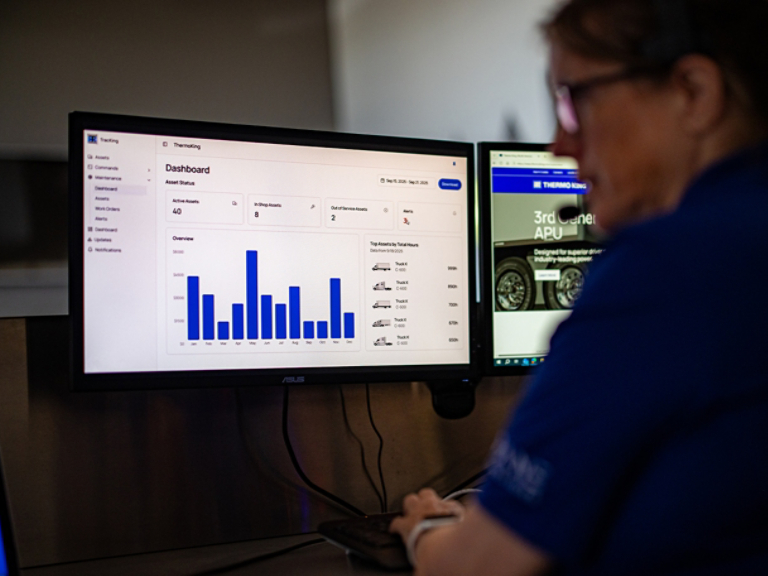
The shift toward real time visibility reflects a broader change in how fleets are managing cold chain performance. Drivers and fleet managers increasingly want to see how equipment is performing in transit, whether setpoint conditions are being maintained, and when operating exceptions require immediate attention—not just where an asset is.
As cold chain operations become more complex, connected insights are helping fleets make more confident, better-informed decisions across their networks.
Why real time visibility is more important for refrigerated fleets in summer
In refrigerated transport, small changes can carry outsized consequences. A temperature deviation, a delayed response, or a developing unit issue can quickly affect the condition of valuable cargo. During summer peaks, those risks can intensify as equipment works harder and delivery windows remain tight.
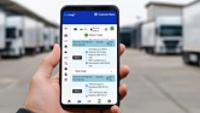
When fleets can monitor trailer temperature, unit status, alarm activity, and operating exceptions as they happen, they are in a stronger position to respond before a problem escalates. For example, that might mean rerouting a load to a nearby cold storage facility, dispatching a service van when reefer unit data signals a potential issue, or adjusting plans before a route is compromised.
“If an alarm indicates an anomaly in the operation of the reefer, we can route a trailer to the closest dealer before the load is threatened. We can view the engine hours on each reefer in real time to schedule preventative maintenance and more,” said Kevin Johnson, vice president of Coastal Pacific Xpress (CPx), a Canada-based company that has relied on TracKing telematics since 2010. “This data is the information that ensures we have one of the best maintained fleets in the industry.”
Reducing downtime with predictive maintenance and proactive service
Fleet performance during the hot summer months relies on being able to react quickly and to identify risks earlier.
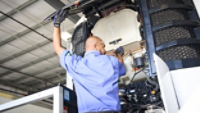
Predictive maintenance and proactive service planning can deliver meaningful value, especially in extreme heat. By tracking reefer unit performance trends, alarm history, and other refrigeration-specific signals, maintenance teams can plan ahead, reducing the likelihood of in-season failures so assets can operate more reliably during peak demand.
A more proactive service approach can also help limit unplanned downtime by allowing fleets to address potential issues before they disrupt a load or affect delivery commitments.
For Dot Transportation, Inc. (DTI), proactive monitoring prevented a load loss that was valued at $78,000. DTI’s customer team was alerted by TracKing® telematics that a TRU was inadvertently turned off. The team was able to react quickly to send a two-way remote command that powered the TRU back up before the load was compromised.
Faster decision making with connected fleet telematics
Smarter telematics is changing the way refrigerated fleets operate. Instead of relying on delayed updates or after-the-fact reporting, fleet managers or drivers can use live equipment data to make decisions while freight is in motion.
Real time visibility can support more consistent cargo monitoring throughout a route, helping teams verify that temperature-sensitive freight remained within target conditions.
Just as importantly, connected data can strengthen compliance and documentation efforts. A more complete record of temperature performance over time helps support documentation requirements and can provide customers with clearer proof that cold chain conditions were maintained throughout the journey.
How Thermo King helps fleets turn real time visibility into action
As a leader in transport climate control solutions, Thermo King understands the performance signals that matter most in refrigerated operations. Our proprietary suite of telematics and connected digital solutions give fleets real-time visibility into the specific conditions that affect refrigerated cargo protection, equipment performance, and compliance support.
These tools help maintenance teams respond faster when temperatures drift, identify performance changes earlier, and coordinate service more proactively to reduce the risk of summer breakdowns.
- TracKing Telematics — Provides remote visibility into trailer and reefer unit location, temperature conditions, and operational status to help fleets monitor loads in transit.
- TracKing Pro Telematics — Expands on core telematics capabilities with deeper data insights and enhanced fleet monitoring to support more informed operational decisions.
- Remote Operating Center — Delivers centralized monitoring and expert 24/7 support to help fleets manage exceptions, improve response times, and maintain cold chain performance.
- TracKing Smart Trailer Telematics — Connects trailer and refrigeration data in one view, giving fleets broader asset intelligence to support utilization, uptime, and cargo protection.
Ready to get real-time visibility for your refrigerated fleet? Contact your nearest Thermo King dealer.