June 22, 2026
Why Fleet Lifecycle Management Is Critical to Cold Chain Performance

For refrigerated fleets, uptime is everything. When a transport refrigeration unit (TRU) is down, the impact reaches far beyond a single asset, putting delivery schedules, cargo protection and profitability at risk.
Why fleet lifecycle management matters
A smarter lifecycle strategy helps optimize fleet uptime, improve TRU performance and derive more value from the equipment that keeps their operation moving.
For fleet and operations leaders, the opportunity is clear: improve business performance and protect margins by optimizing transport climate control solutions across every stage of ownership, from acquisition to replacement.
The challenge: Increased pressure on fleet assets
Fleet operators are under constant pressure to do more with less. They must keep temperature-sensitive cargo protected, limit downtime, manage operating costs and deliver consistent performance across the network. At the same time, every equipment decision affects the bottom line.
That is especially true for transport refrigeration units. TRUs are more than just another fleet asset. They are critical to cold chain performance, customer satisfaction and operational continuity.
Managing TRUs across the full ownership lifecycle helps fleets make smarter decisions about specification, service, replacement and long-term value.
Optimize fleet uptime with the right fleet lifecycle strategy
Unplanned downtime can create costly disruptions across fleet operations. Missed deliveries, at-risk loads and unexpected service events all may put pressure on margins. That is why fleet lifecycle management should focus first on keeping equipment running reliably throughout its service life.
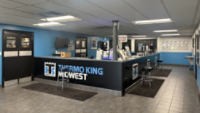
Thermo King helps fleets take a proactive approach with transport refrigeration solutions designed to support dependable performance and serviceability over time. Just as important, Thermo King backs that equipment with a vast dealer network that gives fleets extensive access to service, parts and expertise.
That vast access helps fleets limit service delays, improve maintenance planning and help keep critical refrigeration assets on the road.
Drive operational efficiency across the life of the unit
Fleet lifecycle management is about more than reacting to issues as they arise. It’s a proactive approach to supporting equipment performance over time so refrigerated fleets can operate efficiently, consistently, and cost-effectively.
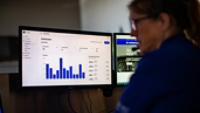
Thermo King lifecycle management solutions combine transport refrigeration expertise with telematics and data-driven insights to help fleets make smarter decisions across the life of their assets. With greater visibility into temperature performance, equipment usage, service history, and operating trends, fleets can strengthen uptime, improve asset utilization, and maintain more consistent service across routes, seasons, and duty cycles.
With the right lifecycle strategy in place, fleet leaders can better inform decisions around:
- Preventive maintenance planning
- Equipment utilization across duty cycles
- Service intervals and parts support
- Repair-versus-replacement decisions
- Long-term asset performance
By taking a full lifecycle view, supported by connected data and actionable insights, fleets can reduce avoidable disruptions, optimize performance, and stay focused on delivering for customers.
How fleet lifecycle management supports better budget decisions
For procurement and finance leaders, fleet lifecycle management is also a cost management strategy. The goal is to reduce unnecessary spending while optimizing total value over the life of the fleet asset.
Thermo King helps support budget optimization by giving fleets a stronger foundation for managing total cost of ownership. A lifecycle approach can help organizations make more informed decisions about:
- Equipment acquisition and specification
- Preventive service investments
- Repair timing and cost control
- Replacement planning
- End-of-life asset decisions
When fleets align these decisions with real operating demands, they are better positioned to control costs, extend asset value and improve profit margins.
From acquisition to replacement, value matters
The real measure of fleet performance is how equipment delivers over time. From the moment a TRU is specified to the point where it is replaced, every stage of the fleet lifecycle presents an opportunity to improve uptime, efficiency and overall value.
That is why a lifecycle approach is so important for refrigerated fleets. It helps fleet operators look beyond immediate needs and plan for long-term outcomes that support business growth and operational resilience.
APUs as a valuable part of fleet lifecycle strategy
While transport refrigeration units are central to refrigerated fleet performance, auxiliary power units also play an important role in lifecycle management. APUs help fleets reduce engine idling, facilitate fuel savings, support driver comfort and manage operating costs more effectively over time.
For fleets focused on uptime, efficiency and long-term asset value, APUs can help reduce engine run time, lower maintenance needs, and deliver meaningful fuel savings—often paying back the initial investment in less than a year while supporting better performance across the operation.
A smarter way forward for refrigerated fleets
Fleet lifecycle management is about making every asset decision count. For refrigerated fleets, that means focusing on uptime, operational efficiency and long-term value at every stage of ownership.
With transport refrigeration solutions built to perform, a vast dealer network providing extensive access to support, and comprehensive data and insights through telematics, Thermo King helps fleets take a smarter approach to lifecycle management.
These connected capabilities give fleets better visibility into asset performance, utilization, and service needs. This helps operators run more efficiently, make better decisions, protect cargo, improve reliability, control costs, and strengthen margins over time. Learn more about Thermo King Fleet Lifecycle Management.