
September 30, 2026
Monitor Container Temperature and Location With Klinge’s Global System for Remote Monitoring
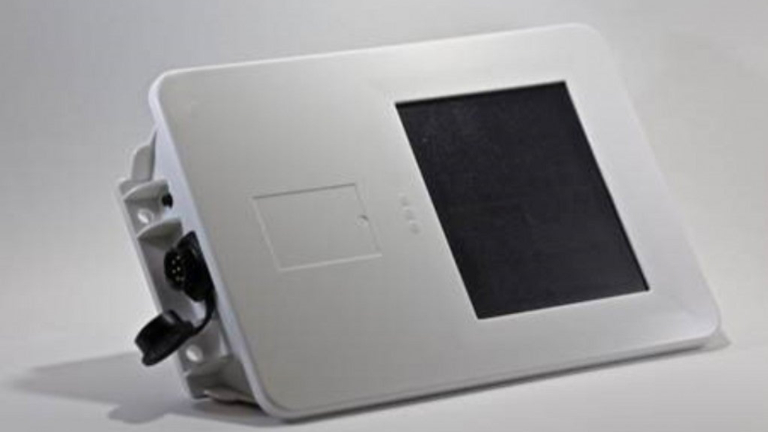
When temperature-sensitive cargo moves across multiple locations, knowing where it is at any moment—and whether it stays within the required temperature range—is critical. Klinge’s remote monitoring system provides a simple way to monitor cargo conditions and location anywhere a cellular signal is available (and beyond).
What is a global system for mobile communications?
GSM stands for Global System for Mobile Communications. It is a widely used cellular communications technology that allows devices to transmit data over mobile networks.
For refrigerated and heated ISO containers, GSM technology provides a practical way to remotely monitor temperature, location, and equipment status without requiring a dedicated server or specialized software. Klinge’s system takes this a step further by including a satellite connection for when the cellular network is unavailable.
What does Klinge’s GSM/Satellite monitoring system do?
Klinge’s GSM/Satellite system is a straightforward remote monitoring solution. By using sensors and a direct data connection to the refrigeration unit controller, it provides visibility into conditions throughout a temperature-controlled container.
The system can transmit:
- Temperature set point and readings
- Container location
- External power status (on/off)
- Alarm status and alarm code
- Defrost status
- And more!
The monitoring unit is installed inside the ISO frame, which protects it from accidental damage during handling, transportation, and storage.
Why monitor temperature independently?
A refrigeration unit for temperature reading may not always provide a complete picture of conditions inside a container. By installing an additional independent temperature sensor, operators can have added that comfort that their reefer unit is operating properly.
This can be especially useful when transporting hazardous or high-value cargo so that indications of any potential issues can be quickly identified.
How does the system stay powered?
The GSM/Satellite monitoring unit is continuously charged by the refrigeration or heating system's battery charger whenever the equipment is connected to the ship or by shore power, and also has an additional solar panel for additional charging, even when the reefer unit is not running.
The monitoring system remains available as part of the temperature-control equipment without requiring a separate charging process.
Can I monitor a container's temperature and location remotely?
Yes. A web-based interface provides end-to-end monitoring of temperature and location worldwide.
Users can access the system through the web and monitor cargo conditions without installing dedicated server hardware or operating software.
The interface also allows users to establish temperature alarm limits, set up geofencing rules, and manage container fleets. If the temperature moves outside the defined range, the system generates an alarm. Even when cargo is hundreds of miles away, operators can quickly identify issues and resolve them to limit cargo damage.
What happens if the container loses cellular coverage?
Out of range doesn’t mean out of data: Klinge’s global systems keep collecting data even when a container moves outside the cellular network and will also transmit on an emergency basis via satellite connection.
When the unit is out of cell tower range, it stores information locally and transmits that data via satellite instead. Full monitoring history is always maintained.
This is particularly valuable during long-distance transportation, where cellular coverage varies along the route.
How frequently does the system transmit information?
The standard transmission package sends information every four hours under normal conditions, and immediately when alarm conditions occur.
For applications requiring more frequent updates, transmission intervals can be customized to meet specific requirements. Users can also adjust the transmission frequency through the website to receive data at shorter or longer intervals.
Where can Klinge's GSM/Satellite monitoring system be used?
Because the system uses cellular and satellite communications, it can provide monitoring across a broad geographic area.
This makes the system suitable for temperature-controlled cargo that may travel through multiple regions during a single shipment.
Does the system require a dedicated server?
No. The application operates on a fully redundant cloud platform. Customers don’t have to maintain their own monitoring server or install specialized operating software.
Users access the monitoring application through an intuitive web interface that makes it easy to monitor equipment and cargo conditions across a distributed fleet or throughout a transportation route.
Why is remote temperature monitoring important?
For temperature-sensitive cargo, if a climate control problem isn’t discovered until after delivery, the damage is already done. Remote monitoring provides visibility while cargo is still in transit, giving operators the opportunity to identify abnormal conditions and respond quickly to get container temperatures back within proper parameters.
Whether the cargo is pharmaceuticals, chemicals, food products or other temperature-sensitive goods, monitoring temperature and location can help provide greater confidence that the shipment is being kept at proper conditions to limit quality issues, product damage, and financial losses.
Simple Monitoring. Greater Visibility.
Klinge's GSM/Satellite monitoring system provides a simple approach to remote temperature and location monitoring. With independent temperature sensor, integration with the unit controller, automatic satellite transmission when cellular coverage is unavailable, configurable transmission intervals and web-based access, the system helps operators maintain visibility from shipment to destination.
Summary
Knowing what is happening inside the temperature-controlled container can be just as important as knowing where it is. Stay in touch: Klinge’s Remote Monitoring system sends temperature and location data anywhere there is cellular coverage — and beyond.